
Tips For Choosing A Dog Trainer
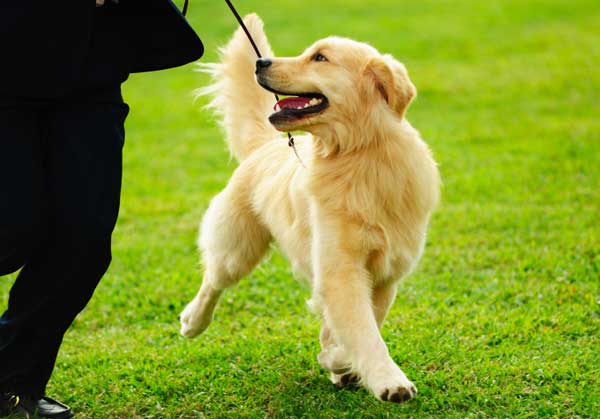
Finding the right dog trainer is as important as choosing the right puppy or dog for you and your family. Why? Because dog training is as much about teaching you the skills you need to know in order to communicate effectively with your dog as it is about teaching your dog skills.
Dogs are always learning. Whether we’re actively teaching them or not our dogs are constantly trying new behaviors on to see what works and what doesn’t. Training allows us as caregivers to let our dogs know which behaviors will be rewarded and which ones will be stopped. What’s more, positive reinforcement training helps to establish and nurture the bond between dog and human, and helps ensure that your dog will respond consistently to your instructions.
It is essential that the dog trainer you select uses Positive Reinforcement Dog Training techniques. Positive reinforcement trainers use treats, attention, toys, or praise to reward the dog for appropriate behavior. Positive reinforcement training conditions reliable behavior through reward versus the dog working to avoid a correction as with traditional methods. Training techniques should never involve yelling, choking, shaking the scruff, tugging on the leash, alpha rolling (forcing the dog onto his back), or other actions that frighten or inflict pain.
Where can I find a dog trainer?
Talking to your friends and neighbors is a good place to start. Also check with your veterinarian, local humane society or dog groomer. Don’t assume that a trainer’s membership in a dog trainer association qualifies him as a suitable instructor: Not all associations’ membership criteria will meet your expectations. Also, because no government agency regulates or licenses trainers, it’s that much more important to investigate a dog trainer’s qualifications before enrolling in a class. Ask them to describe their training methods, how many years of experience they have, and how they were educated. Also ask for references from previous clients.
Which class format is best?
In group classes, dogs learn to interact with other dogs, accept handling by other people, and respond to their owners despite distractions. Owners learn by observing other people interacting with their dogs and benefit from the camaraderie. Private lessons may be good if you have a shy dog or if you feel intimidated working in a group. Private lessons are also a good choice if you have limited time and need the trainer to work around your schedule.
What constitutes a good group class?
A good trainer will always have the best positive reinforcement dog training supplies. Usually that will mean a basic Dog Collar and Leash instead of choke chains or other harsh methods. Using a front-leash attachment harness (for example, the SENSE-ation Harness) is a good sign. A good trainer will also allow you to observe a group class before you sign up.
Watch for the following:
Watch for the following:
Is class size limited to allow for individual attention? Are there separate classes for puppies and adult dogs? Are there different class levels (for example, beginner, intermediate, and advanced)? Are training equipment and methods humane? Does the trainer use a variety of methods to meet dogs’ individual needs? Is proof of vaccination required? Are the students, both human and canine, enjoying themselves? Are dogs and owners actively encouraged? Is praise given frequently? Are voice commands given in upbeat tones? Are lesson handouts available? Is information available on how dogs learn, basic grooming, problem solving, and related topics?
How much will it cost?
Training costs vary, depending on where you live and the type of instruction you want. Private lessons may range from $25 to $85 per hour; group lessons may start at $50 for several weeks of sessions. Some animal shelters offer subsidized training programs; costs for several weeks of sessions may range from $25 to $125, depending on whether you adopted your dog from that shelter and the number of class sessions in the series.
Dog Training Resources
American Society for the Prevention of Cruelty to Animals
Related Articles
Training Your Dog With Positive Reinforcement
Related Articles
Training Your Dog With Positive Reinforcement