PupLife.com Home | My Account | Order Status | Help
Cart Shopping Cart: 0 items $0.00
Dog Care Tips | Dog Names | Dog Tags | Blog
Browse
Apparel
Beds & Blankets
Books, DVDs & CDs
Bowls & Dining
Cards & Stationery
Carriers
Clean Up
Collars
Crates & Pens
Dog Houses
Dog Tags & Charms
Food
For The Home
Furniture
Gates
Grooming & Spa
Harnesses
Health & Safety
Leashes
Pet Gifts
Puppy Products
Sale Items
Strollers
Toys
Training Supplies
Travel Supplies
Treats

Styles
Classic Cool
Earth Friendly
Modern Chic
Rock Star

Holidays
Birthday
Christmas
Easter
Fourth Of July
Halloween
St. Patricks Day
Thanksgiving
Valentines Day

Shop By Dog Breed
Shop By Dog Brand

Fun Stuff
Dog Blog
Dog Names
Dog Related Links
Dog Care Tips
Link to Us

Help Center
About Us
Contact Us
Help
Site Map
Newsletter
Privacy Policy
  Training Talk With Leslie Hayes:
Housebreaking Your Puppy & Introducing Your Pup To An Older Dog


Leslie Hayes is a member of the Association of Professional Dog Trainers, the co-owner of PupLife.com, Inc. and the author of many positive reinforcement dog training articles. She is also the proud guardian of a curly coat retriever, Scout.

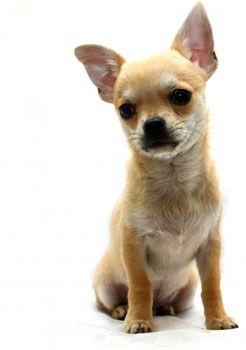
Chihuahua Gift Idea Submit your dog training questions to Training Talk via our Contact Us form. Due to the high volume of questions we receive, we cannot respond to everyone.

Question
My 4 month old Chihuahua is still not housebroken. Help! - Michelle, San Diego

Answer
Don’t fret, Michelle. Your Chihuahua sounds perfectly normal. Until they are at least four months old, puppies simply do not have the muscle control to hold their bladder. With their super-fast metabolism, toy and tiny breed dogs simply have to "go" more often. Furthermore, many puppies tend to regress when they begin getting their adult teeth in (right around 4 1/2 to 5 months). While short-lived, this regression can be very frustrating!

Having the correct puppy supplies is a great start. One of the best things you can do to help housebreak your puppy is to invest in a dog crate or dog pen, also called an Ex Pen. Most dogs avoid soiling where they sleep which is why crate training is so effective. By using a crate you are also teaching your puppy self-imposed, self-control and the ability to remain calm and collected when you’re not there.

When you can't supervise her, your puppy should be in her crate or ex pen so she cannot run in the other room and pee when you're not looking. Allow for frequent potty breaks (at least every 2-3 hours) and try to take your puppy to the same spot to potty (either outside or on puppy pads). It’s advisable to use a collar and leash so that you can make sure your puppy eliminates. You might also consider giving your dog a verbal command like "Get Busy" or "Go Potty" so that you develop a cue system. When your dog does eliminate, give her lots of praise and yummy dog treats and then let her do something fun like play fetch or eat or see her doggy friends. Make sure to potty your dog first thing in the morning, last thing at night, before and after meals and before and after playtime. Sticking to a schedule is a good thing.

Never punish your dog for an accident. This can lead to a dog that is afraid to eliminate in front of you. If your pup does have an accident clean it up as soon as possible and then consider what you could have done to prevent it: “Did I give her enough time to eliminate in the proper spot?” “Was is super cold outside?” “Was it raining outside?” “Did I allow her the opportunity to potty inside when I wasn't looking?” etc). If you work long hours or travel frequently consider hiring a dog walker or take your pup to doggy day care. Consistency on your part is key to housebreaking your puppy.

Question
We just got a new female puppy Shih Tzu, She’s about 7 weeks old. We also have male Shih Tzu who is 2 years old. Our older dog seems to be afraid of the puppy and wants no part of her. We have been showing him lots attention but he still doesn't seem himself. What should we do? – Danielle via email

Answer
Introducing your new puppy to your adult dog can be a trying experience, indeed. Puppies are a handful for owners and adult dogs in the household. Because most puppies are insatiably curious and haven’t refined their “manners”, they usually wind up bothering adult dogs to no end. Most adult dogs will growl or snarl at a recklessly playful puppy in order to the set boundaries of acceptable behavior. This is normal and is actually a positive thing. That being said, never allow a puppy and an adult dog to be left alone together. Give your adult dog plenty of time away from the puppy along with quality time alone with you and your family whenever time permits.

Of course, choosing the correct puppy supplies is key. Utilize a dog crate or ex pen when you cannot actively supervise your puppy. This will help housebreak your puppy as well as keeping her out of danger when you cannot give her your full attention (you’ll also keep the puppy out of your adult dog’s hair!)

Never allow your puppy and your adult dog to eat out of the same dog bowl, as this may lead to resource guarding. Feeding each dog in a separate crate is a great way to keep food fights to a minimum. This is also true if you give your dogs raw bones or chews.

Set up structured times throughout the day for your new puppy and your adult dog to interact. A great time to do this is during your daily walks. Most adult dogs love walk time so you’re capitalizing on a positive experience. And, because there’s so much going on in the environment, the opportunity for hostilities to emerge between the two dogs is greatly diminished.

Don’t expect your puppy and your adult dog to hit it off right away. Relationships take time to develop and each dog needs a chance to learn about the other. While some housemates may never become “best friends”, with enough time and proper management most dogs living in the same household will learn to accommodate each other peacefully.

For more help check out Darlene Arden’s fantastic book on toy and tiny breeds, Small Dogs, Big Hearts. You can also find a professional dog trainer in your area at the Association of Pet Dog Trainers, or a professional dog walker/sitter at the National Association of Professional Pet Sitters.

 Copyright 2003-2008 PupLife Incorporated. All Rights Reserved.  
 PupLife.com, Pup Life and the PupLife.com logo are all trademarks of PupLife Inc.