
Health Care Tips For Your Senior Dog
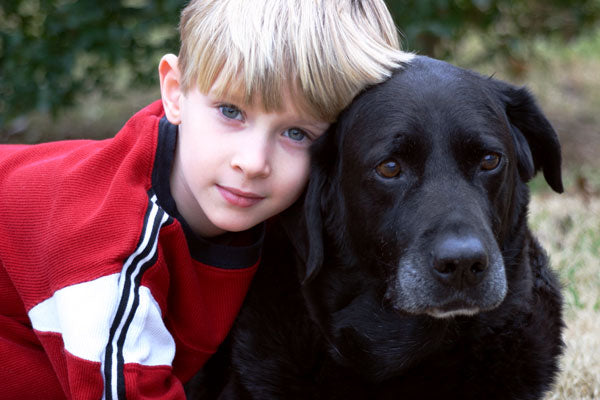
How To Care For Your Elderly Dog
The following senior dog health care tips can help ensure your dog’s well being through the golden years.
The Good News: Dogs Are Living Longer
Our pets are living longer than ever thanks to advances in veterinary medicine. As our dogs age, they face a variety of conditions that can adversely affect their health during these golden years. Some of the conditions that commonly affect senior dogs include diabetes, kidney and liver disease, tumors and cancer, arthritis and other joint pain, obesity and thyroid conditions, as well as dental disorders. It is important to review your senior dog’s health regularly and take appropriate steps to ensure proper care.
Preventative measures can keep many senior dog health ailments at bay. A holistic-centered approach that includes nutrition, supplementation, an appropriate exercise regime and routine veterinary care are all important factors to consider when creating a senior health care plan for your dog.
Identifying Senior Dogs
Generally, smaller breeds live longer than larger breeds, but beyond that, the life span of any individual dog will vary based on genetic and environmental conditions. Some small dog breeds may be considered senior at 10-13 years, while giant breeds are classified as seniors at ages as young as five. Your veterinarian is your best source for determining when your dog reaches his senior citizenship.
Scheduling regular veterinary examinations is one of the most important steps you can take to keep your dog healthy. When dogs enter their senior years, regular exams are more important than ever. Senior care, which starts with regular veterinary exam, is necessary to diagnose or delay the onset of disease; and for the early detection of problems such as organ failure and osteoarthritis.
The American Animal Hospital Association recommends that healthy senior dogs visit the veterinarian every six months for complete exams and laboratory testing. Keep in mind that every dog year is equivalent to 5-7 human years. In order stay current with your senior pet’s health care, twice-a-year exams are a strongly recommended.
The American Animal Hospital Association recommends that healthy senior dogs visit the veterinarian every six months for complete exams and laboratory testing. Keep in mind that every dog year is equivalent to 5-7 human years. In order stay current with your senior pet’s health care, twice-a-year exams are a strongly recommended.
Elderly Pet Care: Working With Your Vet
During a senior dog health exam, your veterinarian will ask you a series of questions regarding any changes in your dog’s activity and behavior. The veterinarian will also conduct a complete examination of all of your dog’s body systems. Laboratory testing is also a key component of the senior exam.
Veterinarians depend on laboratory results to help them understand your dog’s health. When your dog is healthy, laboratory tests provide a means to determine baseline” values. When your dog is sick, your vet is able to compare the “baseline” values and the current values. Subtle changes in these laboratory test results, even in the outwardly healthy animal, may signal the presence of an underlying disease. Lab tests frequently include: blood count, urinalysis, blood chemistry and parasite evaluation.
Common Senior Dog Health Ailments
Dog Diabetes
Diabetes can arise from a variety of causes including viruses, chronic pancreatitis, chronic small bowel inflammation, obesity, hyperadrenocorticism (Cushings) and long-term use of progesterone or steroids and of course – diet. An overload of carbohydrates, especially poor quality, which is no longer thought to be biologically appropriate, may contribute to many diseases including pancreatitis and diabetes. A minimal or moderate grain content is recommended. Grains should be whole and unprocessed.
Diabetes can arise from a variety of causes including viruses, chronic pancreatitis, chronic small bowel inflammation, obesity, hyperadrenocorticism (Cushings) and long-term use of progesterone or steroids and of course – diet. An overload of carbohydrates, especially poor quality, which is no longer thought to be biologically appropriate, may contribute to many diseases including pancreatitis and diabetes. A minimal or moderate grain content is recommended. Grains should be whole and unprocessed.
For many years, a very restricted-protein diet was recommended for senior dogs as a preventive or management measure for kidney problems. More current research has actually determined that it is the quality of Dog Food, or rather than the quantity of protein that is most important. It is best to avoid low-quality dog foods which are composed primarily of meat by-products including hide, hair, feathers and other unwholesome components that are difficult for the kidneys to process. Furthermore, low-end kibbles contain large amounts of chemical preservatives that load a senior dog’s system with toxins and place an additional burden on an aging liver and excretory system.

Above: A high quality dog food, such as Castor & Pollux Organic Dog Food can provide the right nutrients that your senior dog needs.
Above: A high quality dog food, such as Castor & Pollux Organic Dog Food can provide the right nutrients that your senior dog needs.
Arthritis
Arthritis and joint problems can often be managed with an appropriate exercise regime including gentle walking and swimming, if possible, to help maintain mobility. High quality dog supplements can also provide relief without the toxicity and side effects of prescription medication. Choosing a Quality Dog Bed is important and if your pet is in need, and orthopedic dog bed is always a wise choice. A dog's bed provides comfort and allows your pet to get the rest that they need to be at their best.

Above: An orthopedic dog bed is a wise choice for any senior dog. This Friends Forever Orthopedic Dog Bed is a solid choice.
Above: An orthopedic dog bed is a wise choice for any senior dog. This Friends Forever Orthopedic Dog Bed is a solid choice.
Obesity
Obesity in dogs can be prevented or treated with diet and exercise. Sudden unexpected weight gain or loss should always be investigated by your vet to rule out an underlying health problem, involving thyroid complications or other serious diseases. Conditions stemming from obesity are fast becoming the number one health problem for senior dogs.
Dog Dental Disorders
Dental disorders can generally be prevented by regular cleaning. Recreational raw beef marrow bones are a wonderful way to keep the teeth clean, providing your veterinarian considers these appropriate for your senior (sometimes vets prefer to stay away from raw, for the very young and old or immune compromised pets). Always check with your vet first. Providing dog dental care at home may improve a senior dog’s over all health if there is tartar build-up. Dog Dental Health Supplies such as dental wipes, durable chew toys or even a simple baking soda & water paste applied to the teeth can all form part of your senior’s dental care plan.
Preventive Measures Nutrition
Many older pets benefit from a higher fiber, reduced calorie diet. As mentioned above, obesity is often the result of reduced exercise and overfeeding; and is a risk factor for diabetes and heart disease. Because older pets often have different nutritional requirements, it’s a good idea to check with your vet about switching to a high quality, age appropriate diet. Many senior dogs benefit from simple things like a small amount of plain yogurt added to the diet to keep the healthy flora in the intestinal tract in balance. A high quality fish oil is also a great addition to the diet and helps to keep your senior dog’s skin and coat healthy and supple.
Exercise for Senior Dogs
Exercise is another aspect of preventive geriatric care for your dog. You should definitely keep your dog going as he gets older—if he is cooped up or kept lying down, his body will deteriorate much more quickly. Jogging with your arthritic dog may not be appropriate, but swimming and other low-impact activities are great for dogs with joint pain and arthritis. Keeping your dog active mentally and physically helps your dog stay in top condition. Of course, dogs should wear a Dependable Dog Collar and Leash whenever outside, and Dog ID Tags are a must for any canine's safety.
Conclusion: Keeping Your Senior Dog Healthy
As a general guide for senior healthcare and even for younger dogs, remember to work with your vet on routine blood-work and urinalysis to create a useful snapshot of your dog’s over all health and to uncover hidden problems before symptoms arise. Vaccinations should be minimal (titer tests are useful in determining if most of them are even necessary). Flea and tick preventives should be used only when needed.
Consult your vet immediately regarding any unusual behavior such as excess drinking, more frequent elimination, weight change, lameness, lethargy or anything else that doesn’t seem quite right. Take charge of your senior dog’s nutritional needs by feeding a high quality natural dog food diet and maintaining your dog’s appropriate weight.
For more help, read our Tips For Caring For An Aging Dog. Don’t forget to exercise and most of all, give lots of love and hugs to ensure your senior still feels like an important member of the family.
For more help, read our Tips For Caring For An Aging Dog. Don’t forget to exercise and most of all, give lots of love and hugs to ensure your senior still feels like an important member of the family.